
10 Years of Bread & Jam: Jason Gibb on Building a Brand That Lasts
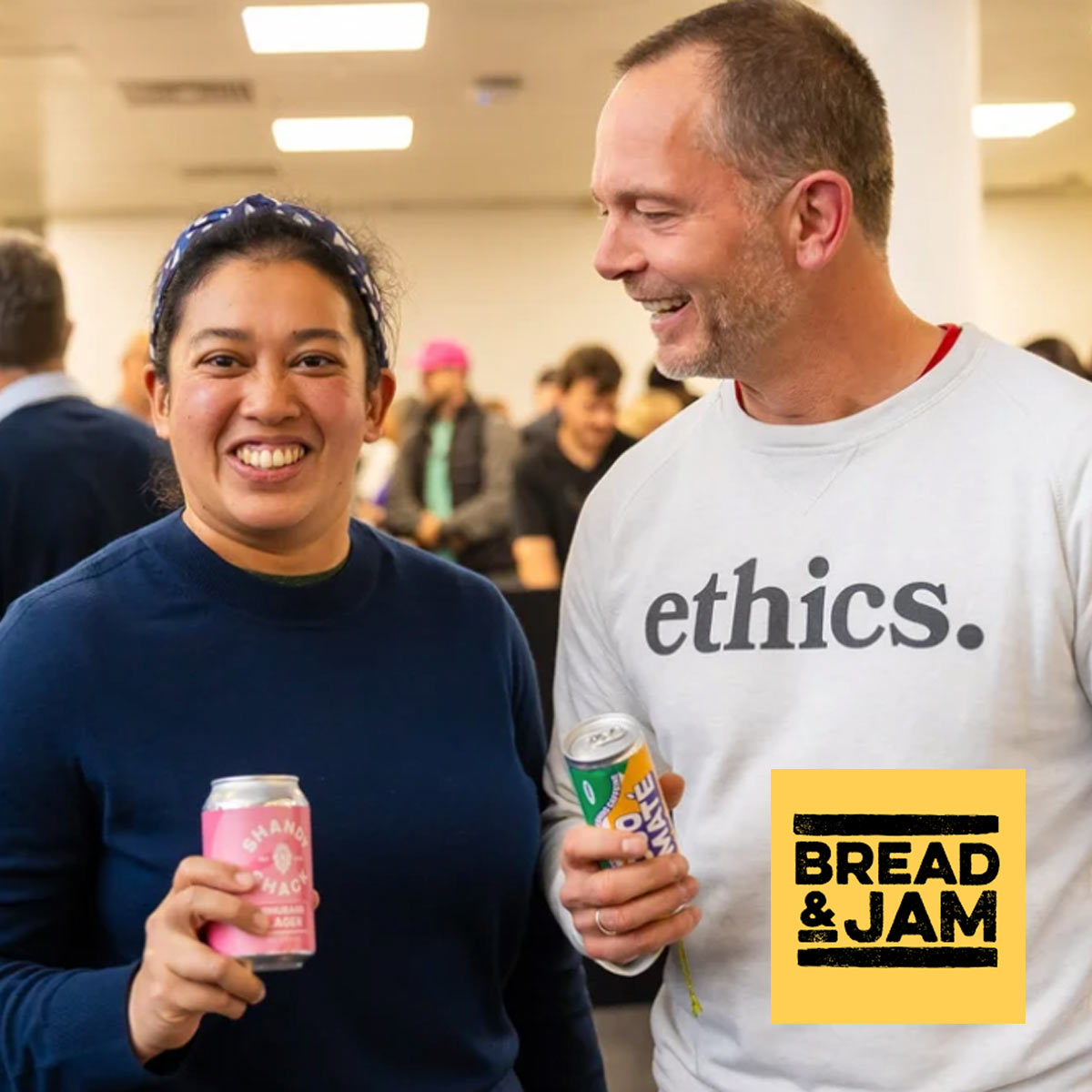
A decade ago, Jason Gibb and his co-founder Tara set out with a simple idea: bring food and drink entrepreneurs together, help them share knowledge, and improve their chances of survival in one of the toughest industries around. Ten years later, Bread & Jam has grown into one of the UK's most respected challenger brand festivals, connecting founders with buyers, investors, and each other on a scale none of them could have imagined at the start.
To mark the milestone, we sat down with Jason to reflect on what's changed, what hasn't, and what it really takes to build a food or drink brand that lasts. Whether you're just starting out or scaling up, there's something in this conversation for every founder navigating the challenges of food and drink.
1. Bread & Jam is celebrating its 10th birthday congratulations! Looking back to those very first days, what was the original vision, and how closely does today's festival reflect that?
The original vision Tara and I had was simple. We saw that most food and drink businesses fail and they often fail around the same pain points. Accessing finance. Accessing buyers. Finding the right manufacturing partners. We thought that with a bit of support and some genuine peer-to-peer knowledge sharing, people's chances of succeeding would be so much better.
So what we did was invite all our food and drink entrepreneur friends along to an event, just to see what would happen. It was a very loose vision at the start, but we quickly found it was incredibly supportive for people. The food and drink community is so collaborative and so willing to share hard-earned knowledge, advice, experiences and mistakes and that really worked.
Since then, we've carried on that same philosophy: lots of honest knowledge sharing. It's a difficult industry. The failure rate is still insanely high. But if anything, we help people either succeed or fail faster, which is its own kind of value.
One thing that's really grown over the ten years is the opportunity to meet buyers retail buyers, investors, all of it. This year we're expecting around a hundred buyers and roughly a thousand pitching opportunities, which is pretty extraordinary. UK and international buyers, wholesale, foodservice, distributors, operators, retail every part of the industry, really.
2. Over the past decade you've watched hundreds of brands pitch, launch, grow and sometimes fail. What are the biggest changes you've seen in what it takes for a food and drink brand to succeed in the UK market?
Compared to ten years ago, there's a lot less tolerance for mistakes now. If you're not ready, if you're not prepared, retailers are even more cutthroat and unforgiving than they used to be. Ten or fifteen years ago you could get away with quite a lot your branding not being quite right, issues with your barcode, your supply rate not being perfect. That's just not the case anymore.
It's a far more professional industry now. You've really got to be clear on your "why," and you need to know exactly what your USPs are your point of difference, how you stand out from everyone else. Branding has become so much more sophisticated and appealing across the board, which means the bar for everyone has gone up. It's harder than ever before.
3. What's the single most common mistake you see early-stage brands make when they're starting out and what would you tell them to do differently?
Start slowly. Try farmers' markets first. Really nail down your proposition, your pricing, your product, the taste before you even think about bringing it to bigger retailers.
A tiny but really common mistake I see is on branding. When you're at the early stage and your product has no brand recognition yet, keep your logo small and make what your product actually is really big and bold. You've got to tell people, clearly and confidently, exactly what they're looking at.
4. Pitching to retail buyers can be daunting for any founder. What separates the brands that get a "yes" from the ones that don't beyond just having a great product?
It's not all about taste that's almost taken for granted by the time you're in front of a buyer. What's actually key is your positioning and your proposition. Buyers aren't just tasting a product, they're assessing whether it solves a problem for their business.
5. Building a brand identity that genuinely resonates with consumers is one of the hardest parts of this industry. What advice would you give founders who are still trying to figure out who they are and who they're for?
Start with the problem you're solving. Why would someone actually use this product? And when you're pitching to buyers, you've got to listen to them too understand what their KPIs are. Telling a buyer your product is "twenty per cent more delicious" than a competitor isn't going to sway them. What they care about is how you're going to help them grow their category incrementally.
On brand identity itself the biggest mindset shift is realising that branding is a continuous process, not something you do once and then it's finished. It's constantly evolving. The real secret weapon for challenger brands is that there's a real person behind it, with a real personality. You've got to get that across tell your story, tell your why. But in the early days, positioning and product still come first.
6. You've built Bread & Jam from scratch into one of the UK's most respected challenger brand events. What lessons from building your own brand do you think apply directly to the founders you work with?
That's very kind of you to say. One of my philosophies in business is just do it well. It sounds almost too simple, but it's true. When you tell someone you're going to do something, do it. Do things properly. Keep records. Follow through on what you say you will. Just solid, basic business practice.
Honestly, a lot of people don't do the simple things. So my advice is always the same: just do things well.
7. The food and drink landscape has changed enormously over the last ten years from social media's role in launching brands to shifting consumer values around sustainability and health. How should founders be thinking about building a brand that's resilient to this kind of change?
One thing you see a lot is founders jumping on fads. So you've got to work out what's genuinely a trend with staying power, and what's just a fad. That's a judgement call you have to make for yourself.
Social media has been incredibly useful for challenger brands because it lets us communicate directly with our consumers. Building a tribe people who trust you, people who vouch for you is crucial. Sharing your entrepreneurial journey with them is genuinely powerful too.
But obviously it also means you're at the whim of Meta, who are constantly changing their algorithms and making a lot of money from you in the process. So it's not all positive it can be very costly.
8. What role do you think community whether that's other founders, customers, or events like Bread & Jam plays in helping a brand grow? Is it underestimated?
Being an entrepreneur is an incredibly lonely and isolating job. Building a network of advisors, support, and people on the same journey as you is absolutely crucial especially if you're a solo founder. I'm a big advocate for co-founders myself; I think it makes things a lot easier. But either way, you need that support network around you people going through the same pain as you are.
As much as Bread & Jam is about buyer and investor introductions, content, talks and panels, one of the most important things we do is bring a community together. You might come along alone, but you'll leave with contacts who stay with you throughout your journey. So many thoughts just go round and round in your head when you're building a business having a group you can share that with makes an enormous difference. There are WhatsApp groups, meetups, all sorts of informal networks out there now. Community really is everything.
9. If you could go back and give yourself one piece of advice on day one of building Bread & Jam, what would it be?
I think so many people in this industry come from other backgrounds entirely, and they arrive carrying this slight imposter syndrome feeling like everyone else already knows what they're doing. That everyone else knows how to raise investment. That everyone else knows exactly how to speak to buyers. And that they're the only one faking it.
Here's the truth: everyone feels this. I still do, to this day. I'm learning every single day. I don't know what I'm doing half the time, if I'm honest. I have imposter syndrome too.
So don't feel that. Have honest conversations with people. And ignore all the noise on LinkedIn it's all PR, all curated, all polish. I do it myself sometimes! It's not the full picture, and it's certainly not reality.
Don't ever think you're the only one making it up as you go, or the only one struggling. We're all in this together.
10. As you look ahead to the next ten years for Bread & Jam and for the wider industry what excites you most?
We've got some really exciting things planned for Bread & Jam next year and beyond you'll hear about them soon. Watch this space!
Huge thanks to Jason Gibb for such an honest and generous look back at ten years of Bread & Jam. If you haven't already, get your tickets for this year's festival and keep an eye out for what's coming next.
Celebrating Italy’s Gastronomic Excellence
They Tell the Truth Even When It’s Not Glamorous
How to Get Your FMCG Brand Into Major UK Retailers And Stay There
How to Improve the Eco Credentials of Your Food & Drink Website