
Why social media isn’t optional for food businesses anymore

Ten years ago, social media was a nice-to-have. Today, it's non-negotiable. For food businesses, social media isn't just about posting pretty pictures i t's about building communities, driving sales, and staying competitive in an increasingly digital marketplace.
If you're still treating social media as an afterthought, you're leaving money on the table. Here's why it matters and how to make it work for your food business.
Build Your Tribe From Scratch
Starting a new food business? Social media is your secret weapon. Unlike traditional advertising that costs thousands, social platforms let you reach potential customers for free - if you do it right.
Share your journey: from sourcing ingredients to perfecting recipes. Show the faces behind your brand. Let customers peek behind the kitchen doors. This transparency builds something money can't buy: trust.
When people feel connected to your story, they don't just buy your products - they become advocates. They tag you in posts, recommend you to friends, and defend you in comment sections. That's the power of community, and it starts with consistent, authentic engagement on social media.
Content Quality Trumps Quantity Every Time
Scroll through any successful food brand's social feed and you'll notice something: every post has purpose. That seemingly casual "behind-the-scenes" story? Strategic. That mouth-watering recipe video? Designed to drive engagement.
Your content should achieve at least one of these goals:
- Showcase your products in an irresistible way
- Educate your audience about ingredients, processes, or nutrition
- Entertain and create emotional connections
- Drive specific actions (purchases, sign-ups, shares)
High-quality photography is non-negotiable in the food industry. Invest in good lighting and learn basic food styling - or hire professionals. On platforms like Instagram, beautiful imagery is your first impression, and you don't get a second chance.
Strategic Collaborations Expand Your Reach
Partnerships multiply your impact. Team up with complementary brands for giveaways, recipe collaborations, or cross-promotions. A coffee roaster partnering with an artisan bakery exposes both brands to new, relevant audiences.
These collaborations work because they're mutually beneficial and cost nothing but creativity. Your partner's followers discover you, and vice versa. The best part? These audiences are already interested in quality food products - they're pre-qualified leads.
Branding Consistency Across Platforms
Each social platform has unique specifications and audience expectations. Your logo needs to work as a tiny Twitter profile picture and a large Facebook banner. If your branding doesn't scale, your professional image suffers.
Consider platform-specific nuances:
- Instagram demands stunning visuals and cohesive grid aesthetics
- Facebook favors longer-form content and community building
- TikTok rewards authentic, entertaining video content
- LinkedIn suits B2B food businesses and thought leadership
- Pinterest drives recipe searches and meal planning
Tailor your content to each platform while maintaining consistent brand voice and values. Your artisan hot sauce brand should sound the same everywhere, even if the content format differs.
Instagram: Your Visual Storefront
Instagram remains the powerhouse for food businesses. Users come to Instagram specifically to discover new products, find recipe inspiration, and follow food trends.
Give them a reason to follow you:
- Stunning food photography that makes them hungry
- Educational content about your sourcing or production methods
- User-generated content showing real people enjoying your products
- Behind-the-scenes glimpses that build connection
- Exclusive offers for followers
A strong, cohesive grid keeps people scrolling. Think of your Instagram profile as a visual menu - it should make visitors immediately understand what you offer and why they should care.
Influencer Partnerships: Proceed With Strategy
Influencer marketing has evolved from experimental tactic to standard practice. The right influencer partnership can expose your brand to thousands of engaged, relevant followers overnight.
But approach strategically:
- Micro-influencers (5k-50k followers) often deliver better ROI than celebrities
- Prioritize authentic alignment over follower counts
- Expect to compensate influencers fairly t his is their profession
- Focus on food bloggers, recipe developers, and lifestyle influencers who genuinely love food
- Track results using unique discount codes or affiliate links
Gift products to influencers whose values align with yours. If they genuinely love what you create, organic promotion often follows - no payment required.
The Personal Touch Creates Loyal Customers
Social media's greatest advantage? Direct, instant communication with customers. Reply to comments. Answer questions in DMs. Thank people for sharing your products. Celebrate their recipe creations using your ingredients.
This responsiveness transforms casual followers into loyal customers. When someone feels heard by a brand, they're exponentially more likely to purchase and recommend you to others.
Share your founder story. Introduce team members. Show failures alongside successes. Authenticity resonates far more than polished perfection. People buy from people - let them see the humans behind your brand.
The Bottom Line
Social media has fundamentally changed how food businesses connect with customers. It's leveled the playing field, allowing small artisan producers to compete with major brands through creativity, authenticity, and strategic engagement.
Ignoring social media isn't just a missed opportunity - it's a competitive disadvantage.
Need Help Cooking Up a Social Media Strategy?
Building authentic communities, generating scroll-stopping content, and creating meaningful engagement takes time and expertise. The Food Marketing Experts specialize in helping food businesses maximize their social media impact.
Let's turn your social presence into your most powerful sales tool. Get in touch today: ask@thefoodmarketingexperts.co.uk
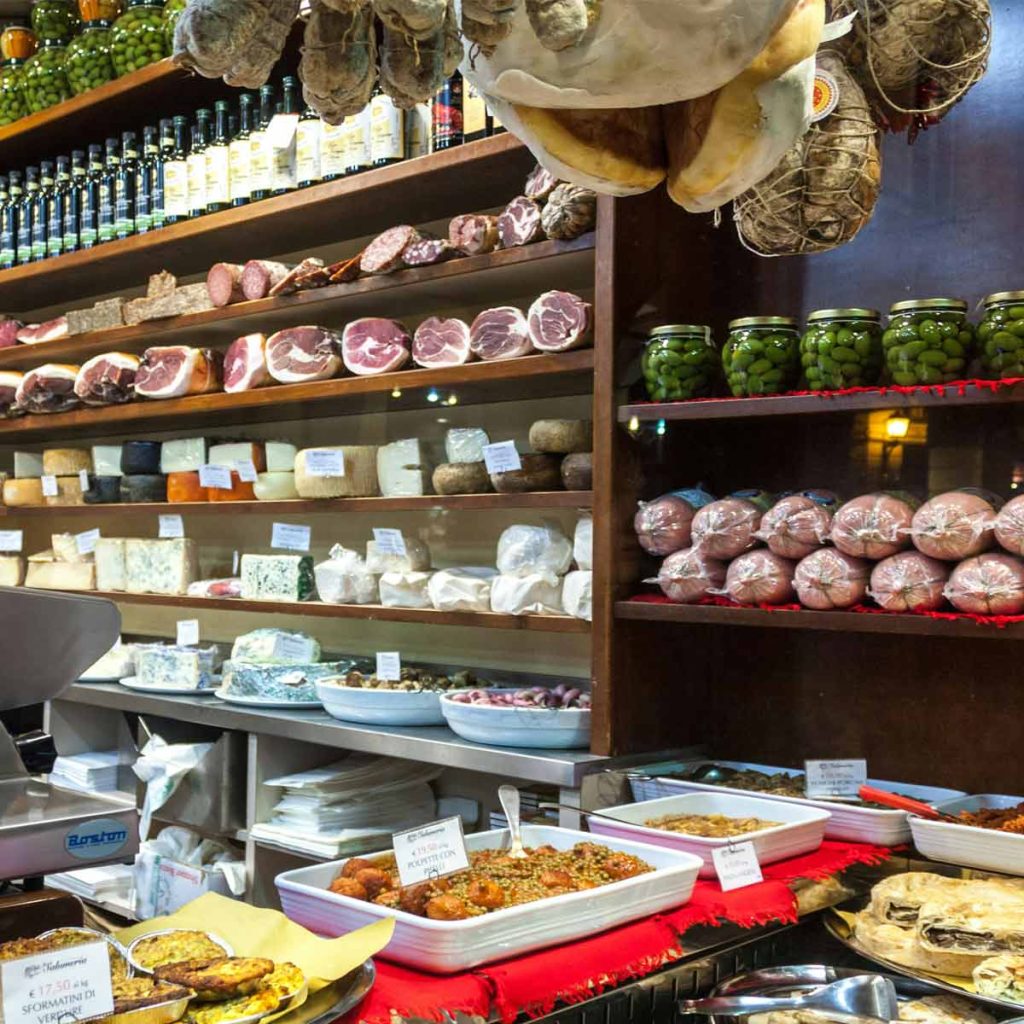
Celebrating Italy’s Gastronomic Excellence
They Tell the Truth Even When It’s Not Glamorous
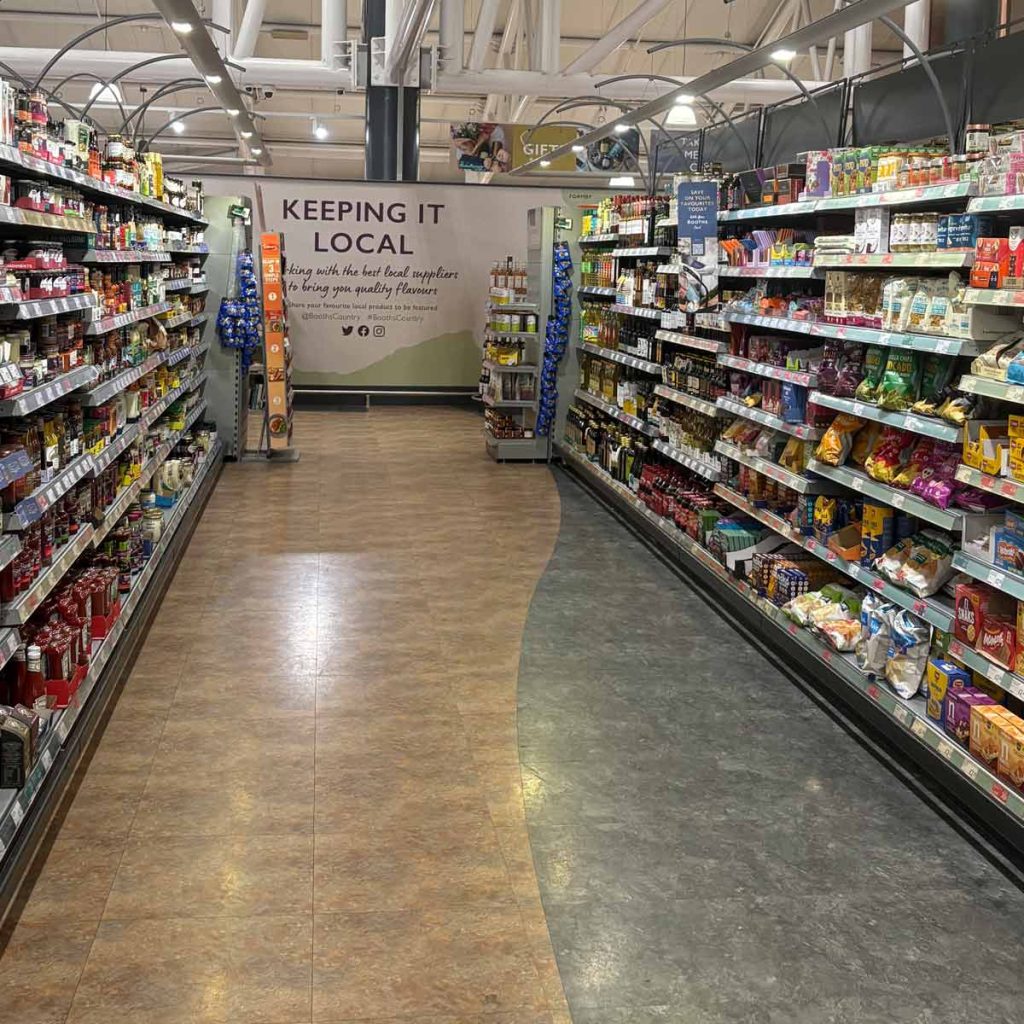
How to Get Your FMCG Brand Into Major UK Retailers And Stay There
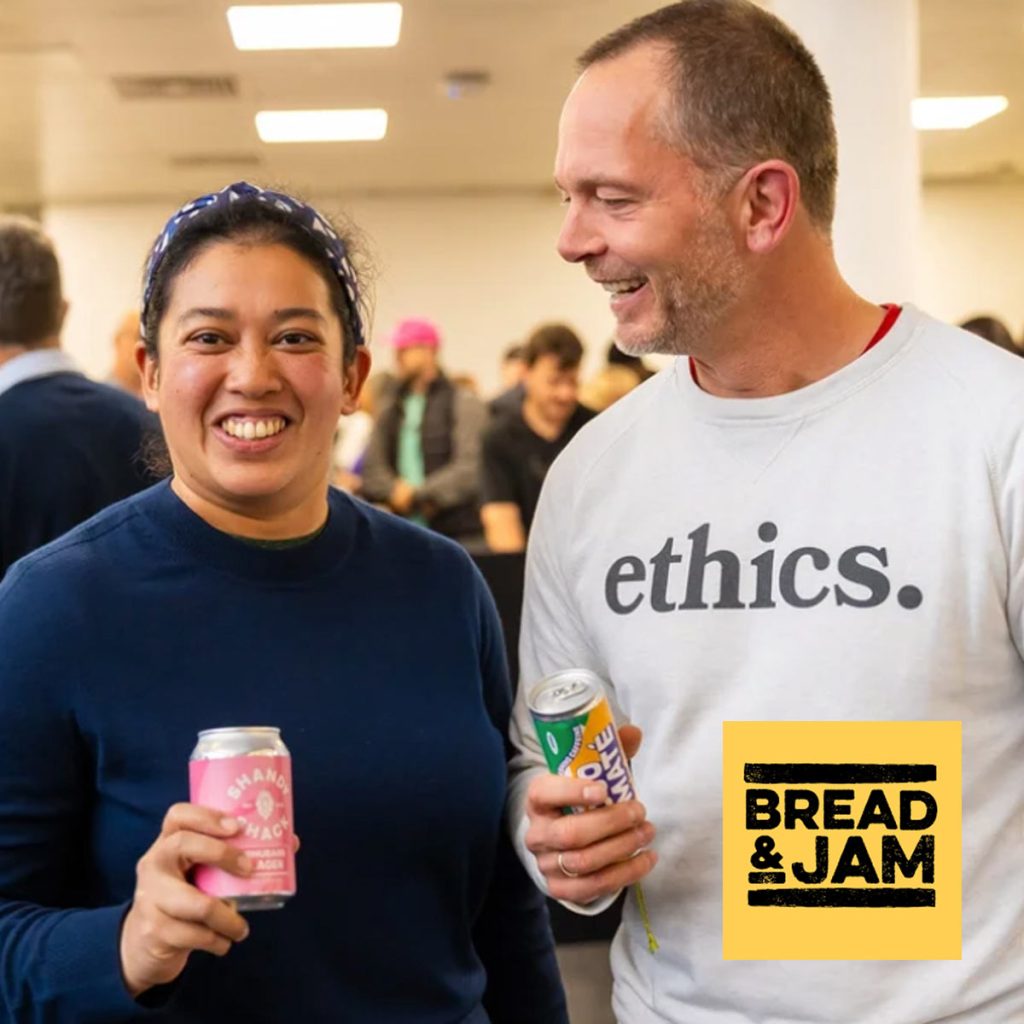
10 Years of Bread & Jam: Jason Gibb on Building a Brand That Lasts